Theoretical physics has spent decades circling a riddle it rarely names out loud. The Panvitalistic Theory proposes that the riddle is the whole...
A Physics Without Constants: Why the Panvitalistic Theory Begins Where Einstein Stopped
A new foundational paper introduces the ontology beneath the Panvitalistic Theory — and with it, a radical proposal for the deepest unsolved problem...
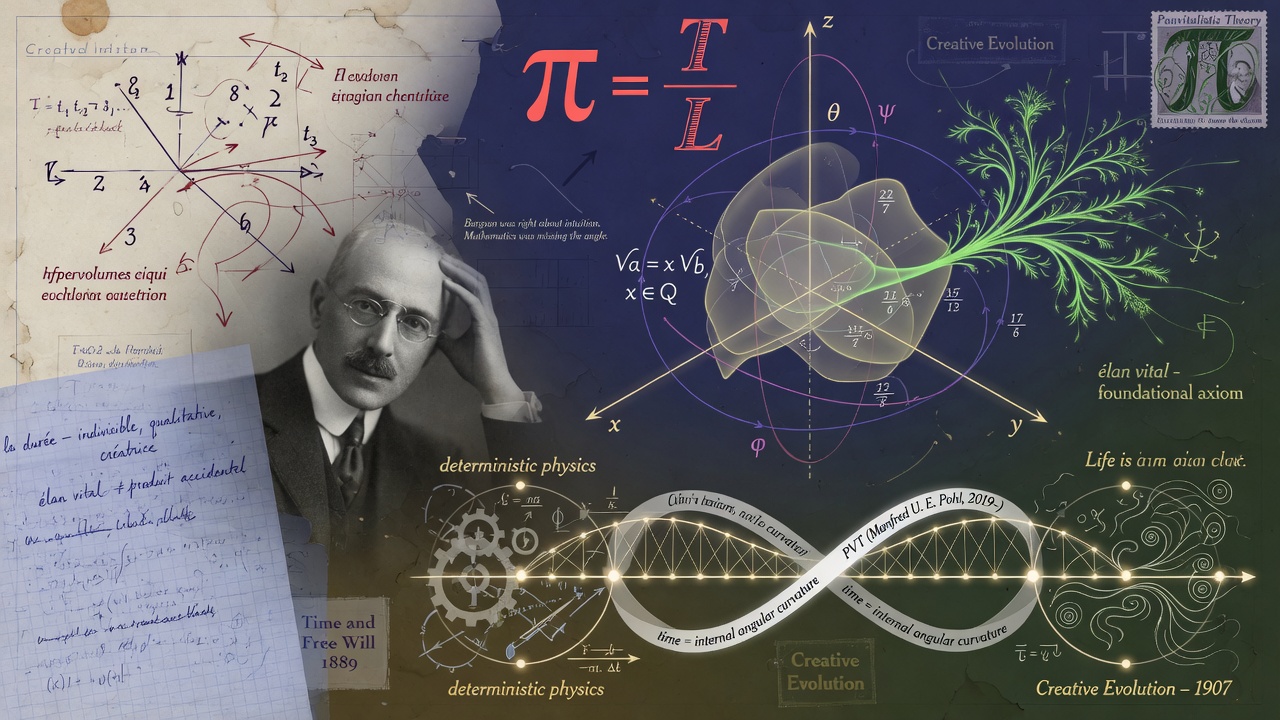
From Intuition to Geometry: The Panvitalistic Theory as the Mathematical Fulfillment of Bergson’s Metaphysics
Henri Bergson (1859–1941) remains one of the most profound critics of the mechanistic worldview that dominated modern science. In works such as Time...
A Theory of Almost Nothing - How Minimal Assumptions Can Lead to a Unified Understanding of Nature
In the history of physics, progress has often been associated with adding more: more particles, more forces, more dimensions, more constants. The Panvitalistic...
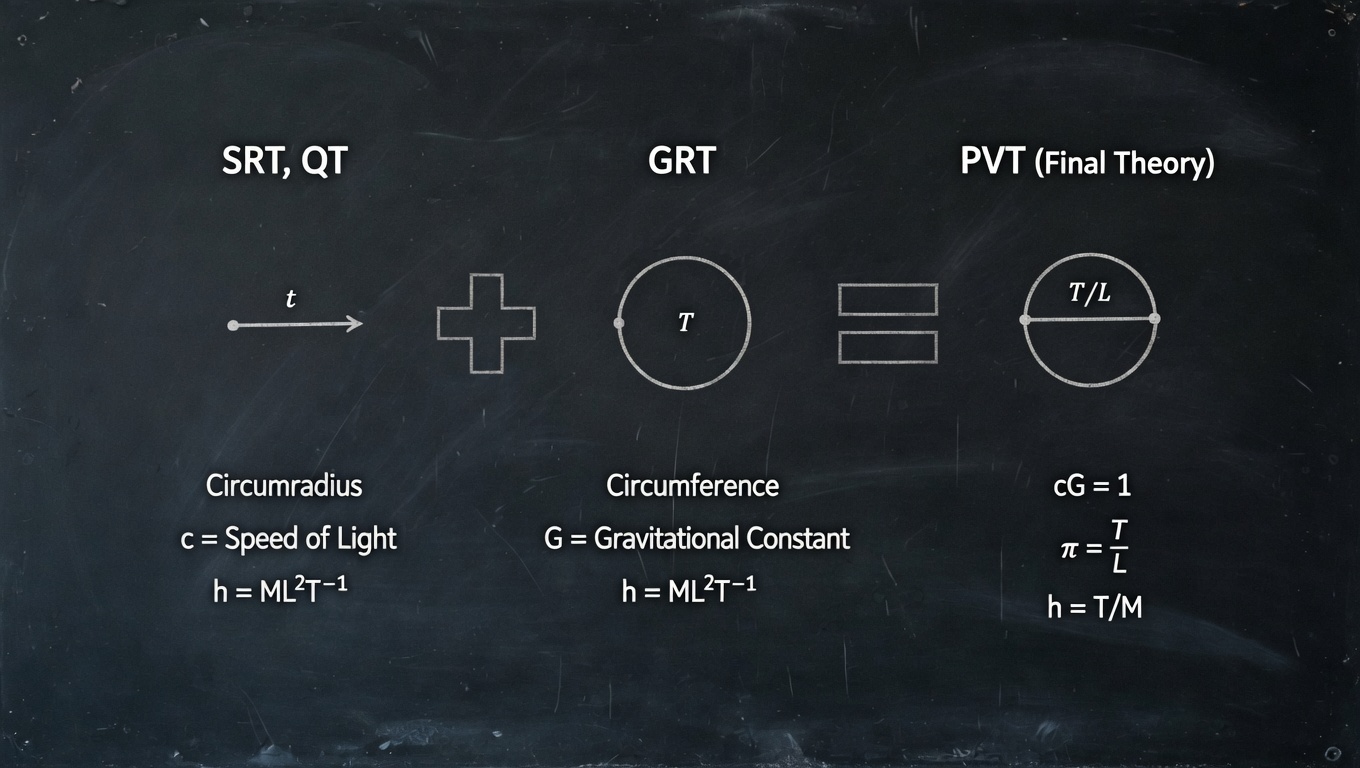
From Category Error to Geometric Clarity - An Interview on the Panvitalistic Theory
Question: You have been developing the Panvitalistic Theory (PVT) for several years. A question that often comes up is whether it represents a “final...
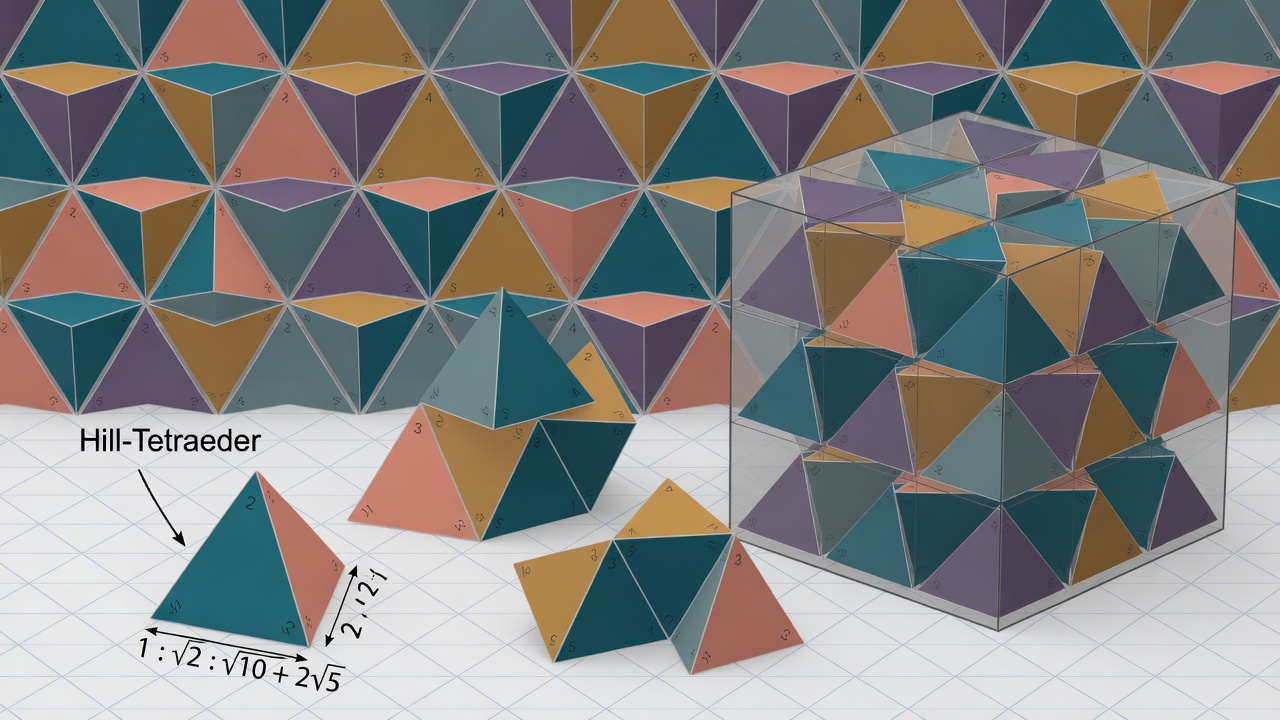
The Tetrahedron and the Hidden Flaw in Modern Physics
Why Einstein’s 4D Spacetime Remains Underdetermined – and How the Panvitalist Theory Finally Resolves ItAt the foundation of physical reality stands...